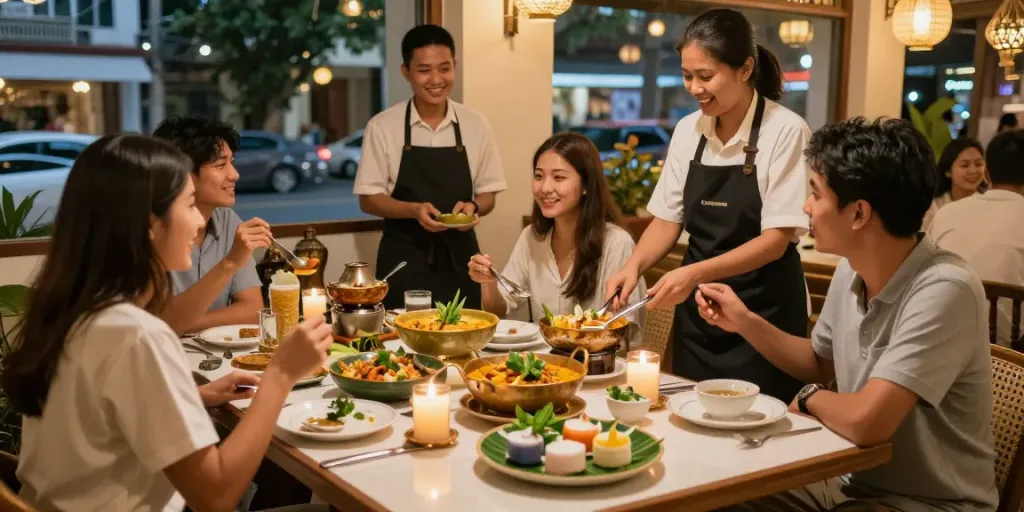
Introduction to Thai Cuisine
Thai cuisine is a vibrant and aromatic journey that brings together the rich cultural tapestry of Thailand through its unique flavors, ingredients, and cooking methods. With a harmonious balance of sweet, sour, salty, and spicy elements, Thai food is beloved by many around the globe. For restaurant enthusiasts and home chefs alike, understanding the intricacies of Thai cooking can elevate your culinary skills and enhance your dining experiences. If you are interested in discovering more about authentic Thai dishes, resources such as kinalyrestaurant.com provide comprehensive insights into traditional recipes and techniques.
Understanding the Basics of Thai Flavors
The foundation of Thai cuisine lies in its bold and diverse flavors, which are achieved through a careful balance of key taste elements. The essential components of Thai flavors include:
- Sweetness: Often derived from palm sugar, coconut, and fruits, sweetness is crucial in balancing other flavors.
- Sourness: Lime juice, tamarind, and vinegar introduce a refreshing acidity that brightens dishes.
- Saltiness: Fish sauce and soy sauce provide the necessary depth and umami.
- Spiciness: Fresh and dried chilies are the backbone of many Thai dishes, bringing heat and complexity.
- Bitter: Ingredients like certain herbs and vegetables add a hint of bitterness, enhancing the overall taste.
Understanding how these flavors interact enables chefs to create authentic Thai dishes that resonate with diners' palates.
Key Ingredients in Thai Cooking
Thai cooking is characterized by the use of fresh, high-quality ingredients that contribute to the cuisine's distinct flavor and aroma. Some key ingredients include:
- Herbs: Thai basil, coriander, mint, and lemongrass are staples that provide fragrant notes.
- Spices: Ingredients such as galangal, turmeric, and kaffir lime leaves are essential for deepening flavors.
- Proteins: Chicken, pork, seafood, and tofu are commonly used, often marinated or stir-fried.
- Rice and Noodles: Jasmine rice and rice noodles serve as the base for many Thai meals.
The Importance of Freshness in Ingredients
In Thai cuisine, the emphasis on freshness cannot be overstated. Seasonal vegetables and recently caught seafood form the backbone of numerous dishes, ensuring optimal flavor and texture. When preparing Thai meals, sourcing fresh, local ingredients enhances the overall quality and authenticity of your cooking. This commitment to freshness is a hallmark of Thai dining, where every dish is an expression of seasonal bounty and culinary tradition.
Exploring Signature Thai Dishes
Thai cuisine is a treasure trove of signature dishes, each reflecting the nation's diverse flavors and cultural influences. Here are some must-try options:
Must-Try Appetizers and Snacks from kinalyrestaurant.com
Starting your meal with Thai appetizers sets the tone for the dining experience. Some tantalizing options include:
- Spring Rolls: Crispy and filled with vegetables or minced meat, often served with sweet chili sauce.
- Satay: Grilled meat skewers marinated in a peanut sauce, showcasing the interplay of flavors.
- Tom Yum Goong: A hot and sour soup that perfectly balances spiciness and acidity, featuring shrimp and aromatic herbs.
Main Courses That Define Thai Cuisine
The heart of Thai food lies in its main courses, where intricate cooking techniques and flavorful sauces shine. Popular dishes include:
- Pad Thai: Stir-fried rice noodles with shrimp, tofu, or chicken, garnished with peanuts and lime.
- Green Curry: A spicy blend of green chili, coconut milk, and vegetables, often served with rice.
- Massaman Curry: A rich and mild curry with influences from Indian cuisine, featuring potatoes and peanuts.
Decadent Desserts to Satisfy Your Sweet Tooth
To conclude your Thai meal on a sweet note, consider indulging in iconic desserts such as:
- Mango Sticky Rice: A beloved dessert made with glutinous rice, sweet coconut milk, and ripe mango slices.
- Thai Coconut Ice Cream: Creamy and rich, often served in a coconut shell and topped with roasted peanuts.
- Fried Bananas: Crispy on the outside and soft on the inside, often drizzled with honey.
Cooking Techniques You Need to Master
To recreate authentic Thai dishes at home, it's essential to familiarize yourself with traditional cooking techniques that are central to the cuisine.
Essential Methods for Authentic Thai Cooking
Some common cooking techniques used in Thai kitchens include:
- Stir-Frying: Quick cooking over high heat preserves the freshness and texture of ingredients.
- Steaming: A healthy way to prepare fish and vegetables, allowing flavors to develop naturally.
- Grilling: Often used for meats and seafood, enhancing the smoky flavor profile.
Tools and Equipment for the Home Chef
Having the right tools is vital for achieving authentic results. Essential kitchen equipment includes:
- Wok: A versatile tool for stir-frying, steaming, and deep frying.
- Mortar and Pestle: Ideal for grinding spices and making curry pastes.
- Rice Cooker: Ensures perfectly cooked rice every time.
Common Mistakes to Avoid When Cooking Thai
To succeed in creating Thai dishes, be mindful of common pitfalls, such as:
- Using stale or low-quality ingredients can compromise flavor.
- Overcooking fresh vegetables diminishes their color and crunch.
- Neglecting the balance of flavors can lead to unremarkable dishes.
Creating Your Thai Home Kitchen
Designing a space dedicated to cooking Thai cuisine can enhance your culinary adventures. Here are some tips to consider:
Setting Up a Functional and Aesthetic Space
Incorporate elements of Thai culture into your kitchen design, such as:
- Bright colors and traditional Thai textiles that inspire creativity.
- Open shelving for displaying various spices and tools.
- A well-organized workspace that encourages efficient cooking.
Stocking Your Pantry with Essentials
To prepare authentic Thai meals, ensure your pantry is stocked with the following staples:
- Rice and noodles for the base of many dishes.
- Fish sauce, soy sauce, and palm sugar for seasoning.
- Coconut milk for rich, creamy curries and desserts.
Incorporating Cultural Elements into Your Kitchen Design
Add personal touches that reflect Thai heritage, such as:
- Framed Thai art or murals that evoke the charm of Thailand.
- Plants and herbs that can be used fresh in your cooking.
- Cookbooks that provide insights into traditional recipes and techniques.
Engaging with the Thai Food Community
Connecting with fellow Thai food enthusiasts can expand your knowledge and enhance your culinary abilities. Here’s how:
Finding Local Thai Markets and Suppliers
Seek out local markets that specialize in Thai ingredients to ensure you have access to authentic products. These markets often carry unique spices, fresh herbs, and specialty products that can elevate your dishes.
Joining Cooking Classes and Workshops
Participating in local cooking classes can provide hands-on experience and personalized guidance. Look for workshops that focus on traditional Thai techniques and recipes to deepen your understanding of this exciting cuisine.
Participating in Food Festivals and Events
Food festivals offer a fantastic opportunity to explore the diverse offerings of Thai cuisine. Attend events to meet chefs, taste new dishes, and learn about cultural aspects of Thai food.
Frequently Asked Questions about Thai Cuisine
To further enhance your understanding of Thai cooking, consider the following common questions:
What are the essential elements of Thai cuisine?
The essential elements include a balance of sweet, sour, salty, and spicy flavors, fresh ingredients, and a variety of cooking techniques that combine to create vibrant and aromatic dishes.
How can I recreate authentic Thai dishes at home?
By mastering fundamental cooking techniques, selecting high-quality ingredients, and understanding the balance of flavors, you can recreate authentic Thai meals in your own kitchen.
What are common cooking mistakes in Thai cuisine?
Common mistakes include using stale ingredients, overcooking vegetables, and failing to achieve flavor balance. Avoid these pitfalls to ensure authentic results.
How do I set up a Thai-inspired kitchen?
Create a kitchen space that reflects Thai culture through colors, textures, and organization while stocking it with essential tools and ingredients for Thai cooking.
Where can I find authentic Thai ingredients?
Local Asian markets and specialty stores often carry a wide selection of Thai ingredients, including fresh herbs, spices, and sauces.