Understanding Smart Home Technology
The rise of smart home technology has transformed the way we interact with our living environments. With innovations enabling unprecedented automation and control, homeowners can now enjoy enhanced convenience and efficiency in their daily routines. As the demand for smart solutions grows, IKEA smart home products have emerged as a popular choice, thanks to their affordability and user-friendly design.
What is the IKEA Smart Home Concept?
The IKEA smart home concept revolves around integrating various home devices to create a cohesive ecosystem that enhances living experiences. This includes smart lighting, blinds, speakers, and climate control systems that can be managed through a single platform. The main objective is to simplify daily tasks through automation, allowing users to control their homes remotely via smartphones or voice commands.
Key Benefits of Smart Home Integration
- Enhanced Convenience: Automating routine tasks such as turning lights on and off or adjusting heating settings can save time and effort.
- Energy Efficiency: Smart devices can optimize energy usage, reducing waste and decreasing utility bills.
- Increased Security: Features such as smart locks and security cameras provide peace of mind by allowing homeowners to monitor their properties in real-time.
- Customization: Users can tailor their smart home experiences based on personal preferences, creating atmospheres that suit different activities or moods.
Common Misconceptions About Smart Homes
Despite the many advantages of smart home technology, misconceptions linger that can deter potential users. Some believe that smart homes are only for tech-savvy individuals, while others think they are prohibitively expensive. In reality, smart home solutions have become increasingly accessible, with options available for various budgets and technical knowledge levels. Additionally, many devices offer straightforward setups and intuitive interfaces, making them approachable for all users.
Exploring IKEA’s Smart Home Product Range
Overview of Current Smart Home Offerings
IKEA has expanded its product lineup to include a wide range of smart home devices, each designed to work seamlessly within the IKEA ecosystem. From smart bulbs to motorized blinds, these products are not only practical but also stylish, aligning with IKEA’s commitment to design. The smart lighting products, for instance, allow users to change not only brightness but also the color of their light, offering mood-enhancing options for every occasion.
Future-Ready Features with Matter Compatibility
The latest IKEA smart home devices are compatible with the Matter standard, which promotes interoperability among various smart home brands. This means that IKEA products can interact with devices from other manufacturers, providing users with greater flexibility in creating their ideal smart home environment. As technologies evolve, this compatibility ensures that IKEA users can easily integrate new devices without worrying about whether they will work together.
Best-Selling IKEA Smart Home Devices of 2026
- TRÅDFRI Smart Lighting: A versatile range of wireless bulbs that can be controlled via the IKEA Home smart app, allowing for easy adjustments to brightness and color.
- FYRTUR & HUGAD Motorized Blinds: Smart blinds that can be programmed to open and close based on schedules or sunrise and sunset times, enhancing privacy and energy efficiency.
- DIRIGERA Hub: This central hub connects and manages all IKEA smart devices, providing a user-friendly interface for seamless integration.
Setting Up Your IKEA Smart Home
Getting Started with IKEA’s Home Smart App
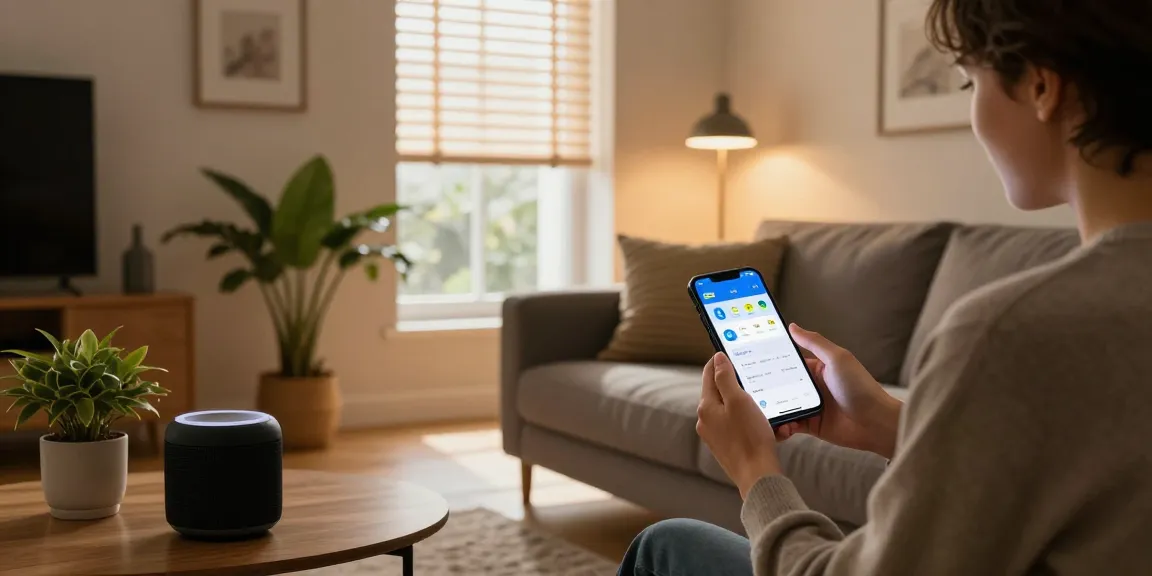
The IKEA Home smart app is the cornerstone of the smart home experience. Users can download the app to their smartphones to control their devices, create routines, and monitor energy usage. Within this app, various functionalities like scheduling, device grouping, and remote access can be easily configured, making setup straightforward even for beginners.
Installation Tips for IKEA Smart Devices
Installing IKEA smart devices typically involves straightforward steps. For instance, smart bulbs can be replaced like standard bulbs, while motorized blinds come with easy-to-follow installation guides. Users should ensure their devices are compatible with the DIRIGERA hub for optimal performance. Additionally, following setup instructions carefully will help avoid common pitfalls, such as connectivity issues.
Connecting Devices for Seamless Automation
Once installed, users can connect their devices through the IKEA Home smart app. This allows for automation scenarios, such as setting the lights to dim automatically when it’s movie time or having the blinds close at sunset. Users can create personalized scenarios that fit their lifestyles, making everyday activities more convenient.
Maximizing Your Smart Home Experience
Customization Options for Smart Lighting and Blinds
IKEA’s smart home devices offer extensive customization options. Users can create lighting scenes for different activities, such as bright, energizing lighting for mornings and soft, relaxing tones for evenings. Similarly, blinds can be programmed to adjust according to user preferences, optimizing light and privacy throughout the day.
Integrating IKEA Products with Other Smart Ecosystems
Thanks to Matter compatibility, IKEA smart products can work alongside devices from other brands, such as Google Home or Amazon Alexa. This integration allows users to control their IKEA devices using voice commands and incorporate them into existing smart home routines. By leveraging the strengths of multiple ecosystems, users can create a more sophisticated smart home experience.
Maintaining Your Smart Home Devices
To ensure longevity and optimal performance, regular maintenance of smart home devices is crucial. This can include software updates through the IKEA Home smart app, cleaning devices to prevent dust buildup, and periodically checking for any connectivity issues. Users should also stay informed about new features and updates to maximize the potential of their smart home setup.
Future Trends in Smart Home Technology
Emerging Innovations to Watch in 2026
The landscape of smart home technology is continually evolving, and several trends are set to shape its future. Enhanced AI capabilities, for example, will allow devices to learn and adapt to user habits, providing even greater convenience. Additionally, advancements in energy-efficient technologies will enable smarter environmental control, reducing carbon footprints while enhancing comfort.
AI and Home Automation: What Lies Ahead
AI will play a significant role in the evolution of smart homes, particularly in creating more responsive and intuitive systems. By analyzing user data, smart devices can anticipate needs and automatically adjust settings, improving user experiences. For example, a smart thermostat might learn when occupants typically arrive home and adjust the temperature accordingly.
Consumer Preferences Shaping Smart Home Development
As smart home technology matures, consumer preferences will significantly influence product development. Users increasingly prioritize privacy and security features, driving companies to create solutions that protect personal data. Additionally, demand for sustainability will lead to innovations focused on energy efficiency and eco-friendly practices. Companies like IKEA are well-positioned to respond to these trends, ensuring their products align with evolving consumer expectations.